
Table of Contents
- Introduction: Who Is Kim Davis?
- Background and Early Life
- Kim Davis and the Same-Sex Marriage Controversy
- Judge David Bunning’s Ruling and Legal Fallout
- Public Reaction and National Impact
- Supreme Court’s Recent Decision in 2025
- Kim Davis and Religious Freedom Debates
- Personal Life and Faith
- Legacy and Lessons Learned
- Conclusion
- FAQs About Kim Davis
Introduction: Who Is Kim Davis?
Kim Davis is a name that became widely recognized across the United States after she refused to issue marriage licenses to same-sex couples in 2015. Serving as the Rowan County Clerk in Kentucky, Davis cited her religious beliefs as the reason behind her decision, igniting one of the most heated cultural and legal debates of the decade.
Her actions led to a landmark confrontation between personal faith and federal law. Years later, the Supreme Court’s rejection of her appeal in 2025 once again placed her in the national spotlight. For many Americans, Kim Davis represents a complex intersection of religion, civil rights, and the limits of public office.
Background and Early Life
Born in 1965 in Kentucky, Kim Davis was raised in a small rural community. Before entering public service, she worked in the Rowan County Clerk’s office for decades, following in her mother’s footsteps. Davis was eventually elected County Clerk in 2014, supported by her local community for her diligence and traditional values.
Her upbringing was rooted in church and family, shaping her worldview long before she became a public figure. By 2015, she had served the county for over 20 years and had built a reputation for being reliable and detail-oriented.
Kim Davis and the Same-Sex Marriage Controversy
The controversy began soon after the U.S. Supreme Court’s historic Obergefell v. Hodges decision legalized same-sex marriage nationwide in June 2015. As County Clerk, Kim Davis was legally required to issue marriage licenses to all eligible couples—but she refused, citing her Christian beliefs.
Her stance quickly turned local administrative work into a national flashpoint. Same-sex couples filed lawsuits, and Davis was ordered by federal courts to comply.
Key Moments
- June 2015: The Supreme Court legalizes same-sex marriage.
- July 2015: Davis stops issuing all marriage licenses, regardless of gender.
- August 2015: She faces multiple lawsuits and national attention.
To her supporters, Davis stood firm for religious freedom. To her critics, she was defying the Constitution.
Judge David Bunning’s Ruling and Legal Fallout
Federal Judge David Bunning presided over the case, ultimately ordering Kim Davis to resume issuing marriage licenses. When she refused, the judge found her in contempt of court and ordered her to jail in September 2015.
Her short time in custody made headlines worldwide. Supporters gathered outside the jail holding “Stand With Kim” signs, while others celebrated the enforcement of the law. After five days, Judge David Bunning released her, noting that her deputies had begun issuing licenses in her absence.
Legal Consequences
- Contempt of Court: Davis served five days in jail.
- Civil Suits: Several couples later sued her for damages.
- Court Orders: Kentucky changed its marriage license forms to remove clerks’ names, a compromise that addressed her concerns.
The tension between Davis’s faith and her duty as an elected official remained a national talking point for years.
Public Reaction and National Impact
The Kim Davis controversy divided Americans across political and religious lines. Prominent politicians, activists, and religious leaders voiced opinions—some calling her a hero, others labeling her a lawbreaker.
Supporters Said:
- She stood courageously for religious liberty.
- Government employees shouldn’t be forced to violate conscience.
Opponents Argued:
- Public officials must follow the law equally for everyone.
- Her actions infringed upon others’ constitutional rights.
Talk shows, protests, and even presidential candidates weighed in. The name Kim Davis became symbolic of the broader cultural battle between personal belief and public responsibility.
Supreme Court’s Recent Decision in 2025
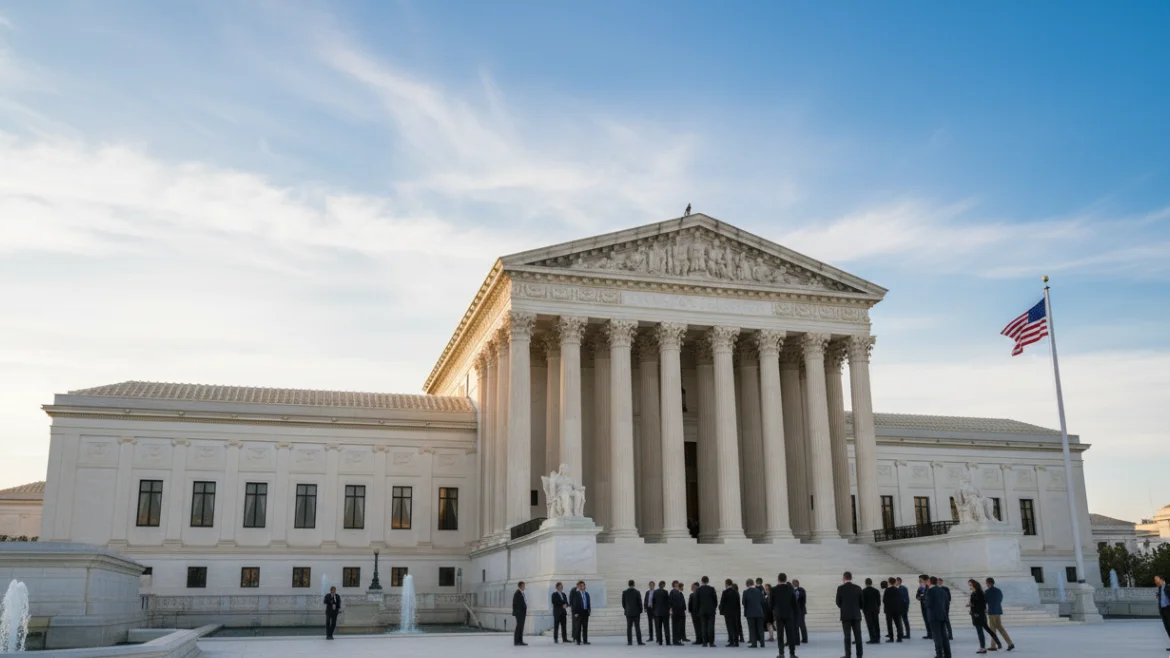
In 2025, the U.S. Supreme Court declined to hear Kim Davis’s latest appeal, effectively upholding lower-court rulings that found she violated the constitutional rights of same-sex couples by denying marriage licenses.
The rejection reaffirmed earlier decisions that no public official can use religious beliefs to deny a citizen’s civil rights. While some saw the decision as justice delayed, others felt it closed a painful chapter in American history.
The court’s move signaled that Kim Davis’s case, despite its years-long journey, had reached its end in the nation’s highest court.
Kim Davis and Religious Freedom Debates
The actions of Davis Kim reignited questions about how far the First Amendment protects religious freedom in the workplace—especially for government employees.
Key Issues Raised
- Can a public official refuse duties based on faith?
- Where do personal beliefs end and professional obligations begin?
- Should the law adapt to accommodate religious conscience?
Legal scholars still debate these questions, noting that the Kim Davis case may influence future rulings on religious freedom, workplace rights, and civil liberties.
Personal Life and Faith
Faith has always been central to Kim Davis’s life. She became a born-again Christian in 2011, crediting her religion with transforming her outlook. Married four times, she has often spoken about grace, forgiveness, and her belief that everyone deserves redemption.
Outside politics, Davis lives quietly in Kentucky. Though she rarely speaks publicly now, she continues to attend church and remains a symbol—either of conviction or controversy—depending on one’s perspective.
Legacy and Lessons Learned
The legacy of Kim Davis is complex. To some, she represents courage in standing by deeply held convictions. To others, she symbolizes the dangers of allowing personal beliefs to override constitutional duty.
Lessons from Her Story
- Public service requires balancing faith and responsibility.
- The rule of law applies equally to everyone.
- National debates often emerge from local decisions.
Her story serves as a reminder that even one person’s actions can shape national discussions about liberty, equality, and governance.
Conclusion
Kim Davis remains one of the most talked-about public servants of the past decade. Her defiance, legal battles, and eventual loss at the Supreme Court illustrate how America continues to wrestle with questions of faith and freedom.
Regardless of one’s stance, her story demonstrates that democracy depends on dialogue, respect, and the ongoing effort to balance personal conviction with public duty.
FAQs About Kim Davis
1. Who is Kim Davis?
She is a former Rowan County Clerk from Kentucky known for refusing to issue marriage licenses to same-sex couples in 2015.
2. Why did Kim Davis go to jail?
She was jailed for contempt of court after refusing to follow Judge David Bunning’s order to issue marriage licenses.
3. What did the Supreme Court decide in 2025?
The Court declined to hear her appeal, leaving lower-court rulings against her in place.
4. What is Kim Davis doing now?
She lives in Kentucky and largely stays out of the public eye.
5. What was the main impact of her case?
It reshaped national conversations about religious freedom, equality, and the duties of government officials.
For more detailed product insights and related gear comparisons, check out: HotLapTech and for explore digital solutions and marketing insights at Eydma

