
Table of Contents
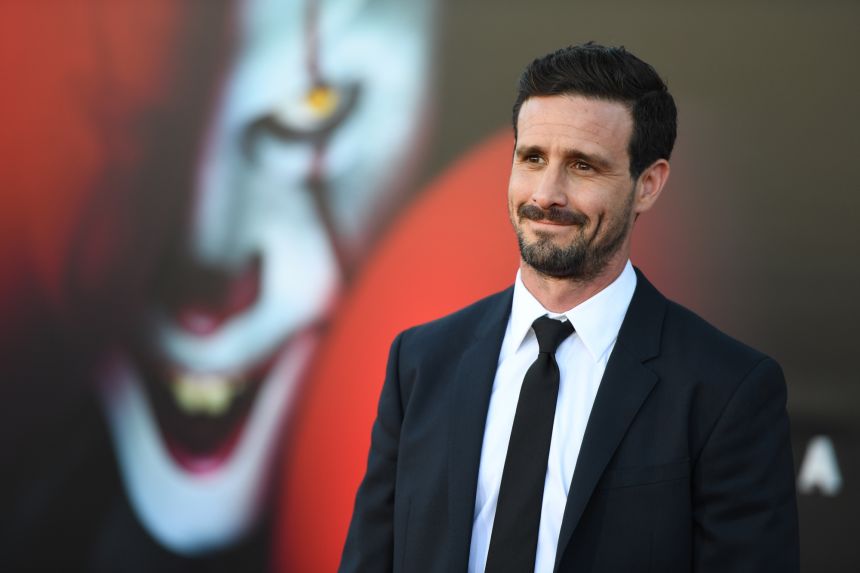
The entertainment industry is often defined by its leading icons, yet its soul frequently resides in the hands of its character actors—the chameleons who disappear into roles, providing the grit, vulnerability, and realism that ground even the most fantastical stories. James Ransone (1979–2025) was the quintessence of this craft. Known for his “haunted” gaze and an uncanny ability to portray men on the brink, Ransone built a career that spanned from the gritty streets of Baltimore in The Wire to the cosmic horror of Stephen King’s It Chapter Two.
This comprehensive biography explores the life, legacy, and profound career of James Ransone, a man whose raw honesty on and off-screen made him one of the most respected figures in modern cinema.
Introduction
James Finley Ransone III, affectionately known to friends as “P.J.,” was an American actor and musician whose career was defined by a relentless pursuit of emotional truth. Emerging from the independent film scene of the early 2000s, Ransone quickly became a favorite of prestigious creators like David Simon and Spike Lee. He was not an actor who sought the spotlight for the sake of fame; rather, he was a technician of the human psyche, often choosing roles that required him to inhabit “unlikable” or deeply troubled characters.
Whether he was playing the tragic Ziggy Sobotka or the wisecracking Corporal Josh Ray Person, Ransone brought a unique kinetic energy to the screen. His recent passing in December 2025 has left a void in Hollywood, sparking a renewed appreciation for a performer who navigated the treacherous waters of addiction, trauma, and industry pressure with remarkable resilience.
Early Life & Background
Birth and Heritage
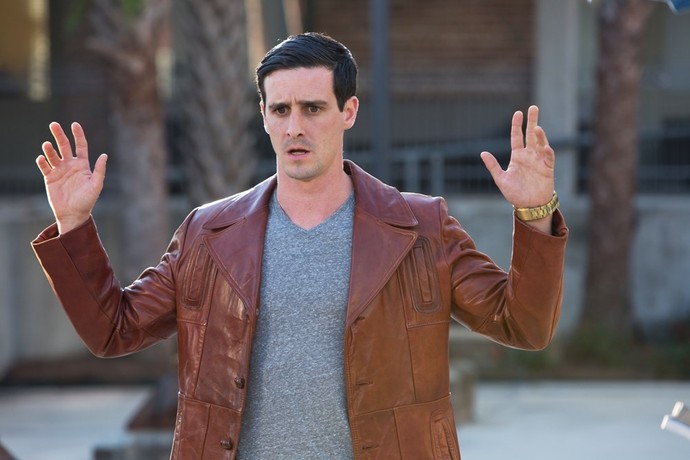
James Ransone was born on June 2, 1979, in Baltimore, Maryland. He was the son of James Finley Ransone II, a Vietnam War veteran and former Green Beret, and Joyce (née Peterson). Growing up in a household with a father who had experienced the horrors of combat deeply influenced James’s worldview and, later, his portrayal of military figures.
Childhood and Education
Ransone’s upbringing in Baltimore—a city he often described as having a “specific type of weirdo” energy—was foundational to his artistic identity. He attended the George Washington Carver Center for Arts and Technology, a magnet school in Towson, Maryland. Initially, he focused on theater, where he was exposed to the Stanislavski method and the “nuts and bolts” of classical training. However, he eventually transitioned to the fine arts division, a move he credited with shaping his visual approach to filmmaking.
After graduating high school in 1997, Ransone moved to New York City to attend the School of Visual Arts (SVA) in Manhattan. His tenure there was brief; he dropped out after one year, later joking that he failed because he simply didn’t show up to class.
Career Beginnings
The New York Grind
The late 1990s and early 2000s saw Ransone living the life of a struggling artist in New York. He split his time between playing bass in various punk and metal bands (notably the band Early Man) and working for the famed nightlife photographer Patrick McMullan. Ransone would attend high-profile art parties, shooting photos of icons like David Bowie while battling his own internal restlessness.
First Professional Roles
Ransone’s transition back to acting was born out of a need for survival. He began booking commercials and small roles in television procedurals like Law & Order and Third Watch. His cinematic debut came in 2001 with a small role in the cult space-western The American Astronaut. However, it was his collaboration with controversial director Larry Clark that first put him on the map.
In 2002, Ransone co-starred in Ken Park, a visceral and polarizing look at suburban youth. Playing the character Tate, Ransone demonstrated a willingness to tackle dark, transgressive material—a trait that would become a hallmark of his career.
Rise to Fame
The HBO Breakthrough
In 2003, James Ransone landed the role that would change his life: Chester “Ziggy” Sobotka in the second season of HBO’s The Wire. As the impulsive, attention-seeking son of a dock union leader, Ransone delivered a performance that was simultaneously annoying and heartbreaking. Ziggy became one of the most discussed characters in the series, a testament to Ransone’s ability to find the humanity in a “loser.”
Transition to Mainstream
Following the success of The Wire, Ransone began appearing in larger productions. He played a bank robber in Spike Lee’s heist classic Inside Man (2006) and a detective in the Prom Night remake (2008). Despite the increase in profile, Ransone remained anchored in the indie world, frequently working with directors who valued his raw, unpolished style.
Notable Movies
Early Film Roles
Ransone’s early filmography is a “who’s who” of independent cinema.
- Ken Park (2002): A raw debut that established his “edge.”
- A Dirty Shame (2004): Working with Baltimore legend John Waters.
- Inside Man (2006): A high-stakes thriller where he held his own alongside Denzel Washington.
Breakthrough Performances
- Sinister (2012) & Sinister 2 (2015): Ransone’s portrayal of “Deputy So-and-So” turned what could have been a stock character into the emotional heart of the franchise. His promotion to lead in the sequel cemented his status as a horror icon.
- Tangerine (2015): In Sean Baker’s groundbreaking film shot entirely on iPhones, Ransone played Chester, a pimp whose chaotic energy drove much of the plot.
- It Chapter Two (2019): Perhaps his most mainstream success, Ransone played the adult Eddie Kaspbrak. His uncanny physical resemblance to young actor Jack Dylan Grazer and his comedic chemistry with Bill Hader made him a standout in the blockbuster sequel.
Recent & Upcoming Movies
In the years leading up to 2025, Ransone appeared in the Blumhouse hit The Black Phone (2021) as the eccentric Max.
Note: His final film credit includes a posthumous appearance in The Black Phone 2 (2025).
Television Career
Major TV Shows
| Show Title | Year | Role | Significance |
| The Wire | 2003 | Ziggy Sobotka | A career-defining, tragic performance. |
| Generation Kill | 2008 | Cpl. Josh Ray Person | Portrayed a real-life Marine in the Iraq War. |
| Treme | 2011 | Nick | Reunited with David Simon for a New Orleans-set drama. |
| Low Winter Sun | 2013 | Damon Callis | Main cast member in a gritty crime noir. |
| Bosch | 2016 | Eddie Arceneaux | Played a pivotal role in the Amazon hit series. |
Guest Appearances & Miniseries
Ransone was a frequent guest star on major networks, appearing in CSI, Hawaii Five-0, and Burn Notice. In 2025, he appeared in an episode of the acclaimed series Poker Face, playing a character named Juice—a performance that critics noted as a bittersweet reminder of his range.
Acting Style & Technique
James Ransone’s acting approach was deeply rooted in Realism and Naturalism. He often spoke about the “catharsis of acting,” noting that while he frequently played unlikable characters, he sought to find the “internal logic” behind their actions.
- Physicality: Ransone used his slender frame and expressive face to convey anxiety, wiry strength, or deep-seated exhaustion.
- Dialogue Delivery: He had a gift for rapid-fire, improvisational-style dialogue, which made his characters feel modern and lived-in.
- Character Depth: Critics often praised him for his “quiet intensity,” noting that he could steal a scene without ever raising his voice.
Awards & Nominations
While Ransone was often overlooked by the Oscars or Emmys, he was a darling of the independent circuit.
- Independent Spirit Awards: Won the Robert Altman Award in 2012 for the film Starlet (shared with the ensemble cast).
- Critical Acclaim: Received widespread praise for Generation Kill, with many critics arguing he deserved an Emmy nomination for his portrayal of Josh Ray Person.
Personal Life
Relationships & Family
Ransone was married to Jamie McPhee (often called “Skipper” by friends). The couple shared a private life in Los Angeles and had two children, Jack and Violet. Following his death in December 2025, friends launched a GoFundMe to support his family, highlighting the close-knit nature of his personal circle.
Struggles & Advocacy
Ransone was refreshingly open about his past struggles. He successfully overcame a heroin addiction in 2006, often using his platform to discuss the realities of recovery. In 2021, he courageously shared that he had been a victim of sexual abuse by a tutor in his youth—a trauma he identified as a root cause of his later substance abuse.
Hobbies
Outside of acting, Ransone remained a dedicated musician and a fan of the fine arts. He continued to paint and draw throughout his life, viewing visual art as a more personal, less “performative” outlet than acting.
Net Worth & Income Sources
As of late 2025, James Ransone’s net worth was estimated to be between $1 million and $2 million.
- Primary Income: The bulk of his wealth came from consistent work under SAG-AFTRA contracts.
- Commercial Success: Large-scale projects like It Chapter Two and the Sinister franchise provided significant paychecks and residuals.
- Independent Projects: While lower-paying, his work in indie cinema maintained his professional prestige and demand.
Interesting Facts About James Ransone
- Real-Life Hero: In 2006, Ransone intervened during a neighbor’s attempted sexual assault, chasing the assailant with a metal pipe and holding him until police arrived.
- The “Ziggy” Legacy: Fans still frequently approach him to talk about the “duck” scene from The Wire.
- Military Connection: His role in Generation Kill allowed him to bond with his father, a Vietnam veteran, as he finally understood the “language” of soldiers.
- Punk Roots: Before acting took over, he seriously considered a career as a professional bassist in the NYC punk scene.
Influence on Hollywood & Legacy
James Ransone’s legacy is one of uncompromising authenticity. He proved that an actor doesn’t need to be a leading man in every project to leave an indelible mark on the industry. By championing independent films and giving voice to the “marginalized weirdos” of the world, he helped expand the boundaries of character-driven storytelling.
His passing in 2025 resulted in an outpouring of grief from peers like Alexander Skarsgård and David Simon, who praised him as a “unique” and “grievous” loss to the arts.
Future Projects & Career Outlook
At the time of his death, Ransone had several projects in the pipeline.
- The Black Phone 2: Set for a 2025/2026 release, Ransone had completed filming his scenes as Max.
- Untitled Indie Projects: He was reportedly in development for a directorial debut, a project that many hoped would showcase his visual arts background.
FAQs About James Ransone
1. How old was James Ransone when he died?
James Ransone passed away at the age of 46 in December 2025.
2. What is James Ransone best known for?
He is most famous for his roles as Ziggy Sobotka in The Wire, Eddie Kaspbrak in It Chapter Two, and the Deputy in the Sinister series.
3. Was James Ransone really a musician?
Yes, he played bass in the metal band Early Man and was active in the New York punk scene in the early 2000s.
4. What was James Ransone’s cause of death?
The Los Angeles Medical Examiner confirmed the cause of death was suicide by hanging.
5. Did James Ransone win any awards?
He won a Robert Altman Award at the Independent Spirit Awards for his work in the film Starlet.
6. Who is James Ransone’s wife?
He was married to Jamie McPhee.
7. How many children did James Ransone have?
He had two children, a son named Jack and a daughter named Violet.
8. What was his net worth at the time of his death?
His net worth was estimated to be around $1.5 million to $2 million.
9. Is James Ransone in The Black Phone 2?
Yes, he filmed a role for the sequel prior to his passing.
10. Where was James Ransone born?
He was born and raised in Baltimore, Maryland.
Conclusion
James Ransone was a rare talent—a “blue-collar” actor who brought high-art sensibilities to every role he touched. From the chaotic docks of Baltimore to the terrifying sewers of Derry, he navigated the human experience with a vulnerability that few could match. While his life was marked by significant personal battles, his professional output remains a testament to the power of resilience and the beauty of character acting. He will be remembered not just for the roles he played, but for the honesty he brought to an industry that often favors artifice over truth.

